
Can You Get Dental Implants If You Have Diabetes? A Guide for Schaumburg Patients
Many patients in Schaumburg ask us the same question during their initial consultation: “I have health conditions—does that mean I can’t have dental implants?”
If you’ve been told you need dental implants but also manage a condition like diabetes, you may be wondering if implant surgery is still possible. It’s a common concern—many patients worry that their health history could limit their options or affect healing after surgery. At Royal Dental Care, Dr. Troyan works with patients every day to evaluate how medical conditions may influence dental implant candidacy.
If you have questions about your eligibility, call our Schaumburg implant dentist at (847) 999-7620 to schedule a consultation. We proudly welcome patients from Hoffman Estates, Elk Grove Village, and Rolling Meadows.
Our Dedication to Local Patients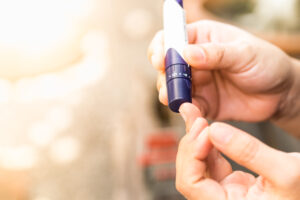
We understand that patients with health conditions require a specific, experienced approach. Our dedication to local patients who manage diabetes and other systemic conditions is demonstrated through our professional protocols:
- Customized Planning Based on Clinical Data: Dr. Troyan reviews key medical data, including your A1C levels and current medication, to ensure your body is in an optimal healing state before proceeding. Royal Dental Care takes a cautious, informed approach to minimize complications.
- Coordination with Primary Care Providers: We routinely coordinate with your physicians to understand your full health status. This integrated method ensures that our implant procedures align seamlessly with your overall health management.
- Proactive Healing Monitoring: Since conditions like diabetes can affect osseointegration, we tailor our healing process and closely monitor the implant site through follow-up visits to confirm your gum tissue and bone are responding positively.
Our goal is to make the entire process as comfortable as possible. From your first implant consultation to the moment you enjoy your first meal with your new teeth, we stand by your side, providing the specific care needed when you have pre-existing health concerns.
Can You Still Get Dental Implants with Diabetes?
Yes, absolutely. Living with diabetes does not prevent you from becoming a candidate for dental implants.
Many patients with diabetes successfully receive dental implants every year. The deciding factor is how well you manage your blood sugar levels.
Why Glucose Control Matters
Dental implants rely on osseointegration, the process by which your jawbone fuses with the titanium implant post. For this fusion to happen, your body needs to heal effectively. High blood glucose levels can sometimes slow down the healing process and increase the risk of infection at the surgical site.
When your diabetes is well-managed—meaning your blood sugar remains within a healthy, stable range—your body’s ability to heal is typically comparable to that of a patient without diabetes.
How Dr. Troyan Evaluates Your Candidacy
At Royal Dental Care in Schaumburg, we do not view a diabetes diagnosis as an automatic barrier to treatment. Dr. Troyan reviews your medical history, including your A1C levels and current medication, to verify that you are in a good position to heal.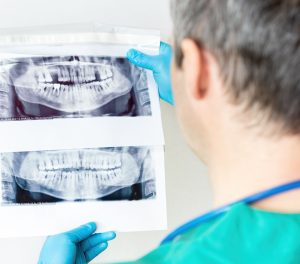
We take a cautious approach to maintain your safety:
- Comprehensive Review: We coordinate with your primary physician to understand your health status fully.
- Healing Protocols: We may adjust the timeline for your procedure to give your body ample time to recover between appointments.
- Ongoing Monitoring: We watch the healing process closely to confirm your gum tissue and bone respond positively to the implant.
If you have been told in the past that you are not a candidate for implants due to diabetes, it may be time for a second opinion. Modern dental technology, such as digital X-rays and CT scans, and careful planning have opened doors for many people who previously thought they were out of options.
How Diabetes Affects Dental Implant Surgery
1. Slower Healing and Osseointegration
For an implant to work, the jawbone must fuse with the titanium post in a process called osseointegration.
- The Issue: High blood sugar can interfere with bone metabolism.
- The Result: It may take significantly longer for the bone to “grip” the implant, increasing the risk of the implant becoming loose or failing in the early stages.
2. Increased Risk of Infection
Diabetes can weaken the body’s white blood cells, which are your primary defense against bacterial infections.
- The Issue: The mouth is naturally full of bacteria.
- The Result: A diabetic patient is more susceptible to peri-implantitis—an inflammatory condition that affects the soft and hard tissues around the implant, similar to gum disease.
Other Health Conditions That Can Influence Implant Surgery
While diabetes is a major focus, several other conditions may affect dental implant outcomes.
- Heart Conditions: Patients with heart disease may need clearance from their physician before surgery. Medications such as blood thinners may also influence treatment planning.
- Osteoporosis: Bone density plays a role in implant stability. Patients with osteoporosis may require additional evaluation to determine if the jawbone can support implants.
- Autoimmune Disorders: Conditions that affect the immune system can influence healing and increase sensitivity to infection. Careful monitoring is important during recovery.
- Smoking: Smoking impacts circulation and slows healing, which may affect implant integration. Dr. Troyan often discusses lifestyle adjustments before treatment.
 Dental Implant Recovery Tips for Patients with Diabetes
Keep Blood Sugar Levels Stable
Maintaining consistent blood glucose levels is one of the most important factors during recovery. Stable blood sugar supports proper healing and reduces the risk of infection. Follow your physician’s recommendations, monitor levels regularly, and stick to a balanced diet.
Follow Post-Operative Instructions Carefully
After your procedure at Royal Dental Care in Schaumburg, IL, Dr. Troyan will provide detailed aftercare instructions. This may include how to clean the surgical area, what foods to avoid, and how to manage swelling. Following these steps closely helps protect the implant site.
Choose Soft, Nutrient-Rich Foods
During the early healing phase, focus on soft foods that are easy to chew and gentle on the implant area. Options like yogurt, eggs, smoothies, and well-cooked vegetables provide nourishment without placing stress on the surgical site.
Stay Hydrated and Avoid Irritants
Drinking plenty of water supports healing and helps regulate blood sugar. Avoid alcohol and smoking, as they can interfere with recovery and slow the healing process.
Maintain Gentle Oral Hygiene
Keeping your mouth clean is essential. Brush carefully around the implant site and follow any rinsing instructions provided by Dr. Troyan. Good oral hygiene helps reduce bacteria and supports tissue healing.
Attend Follow-Up Appointments
Regular check-ins at Royal Dental Care in Schaumburg, IL allow Dr. Troyan to monitor your progress and address any concerns early. These visits are especially important for patients managing diabetes.
Discover How You Can Get Dental Implants With Diabetes
Living with gaps in your smile can make you feel like you are missing out on the best parts of life. Whether you avoid your favorite meals at restaurants in Schaumburg or feel hesitant to laugh in social settings, those burdens are heavy. You deserve a solution that restores your ability to live fully. Your medical history does not have to dictate your future happiness. With the right team and a strategic plan, a permanent, beautiful smile is within reach.
Take the first step toward reclaiming your confidence. You are more than a medical diagnosis. Call our dental implant office in Schaumburg at (847) 999-7620 to schedule your consultation with Dr. Troyan. We are ready to listen, evaluate your unique needs, and help you get back to smiling without reservation.