
Dental Implantsin Schaumburg, IL
Missing teeth can affect much more than your smile. They can make it harder to chew, change the way you speak, and leave you feeling less confident about everyday interactions. Dental implants offer a way to replace missing teeth with a stable restoration designed to look and function much like natural teeth.
At Royal Dental Care, Dr. Troyan provides dental implants in Schaumburg, IL for patients who are missing one tooth, several teeth, or an entire arch. Call our dentist in Schaumburg at (847) 999-7620 to schedule a dental implant consultation and learn whether implants may be right for you. We also welcome patients from Roselle, Hanover Park, and Streamwood.
Dental Implants at a Glance
- Success Rate: High 95%+ success rate for long-term smile restoration.
- Cost & Coverage: Custom-tailored options with flexible monthly payment plans and financing available.
- Patient Comfort: Gentle, virtually pain-free procedures performed with local numbing and relaxing sedation options.
- Healing & Recovery: Quick initial healing in 3 to 5 days; full bone integration completed naturally over 3 to 6 months.
- Lifespan: Designed to be a permanent solution that can last 20+ years to a lifetime.
- Key Solutions: Single-tooth implants, implant-supported bridges, and secure snap-in dentures.
- Who It’s For: Great for most adults looking for a secure, natural-looking, and permanent fix for missing teeth.
What Are Dental Implants?
A dental implant is a small titanium post that a dentist places into your jawbone to act as a new tooth root. Once it heals and fuses with the bone (a process called osseointegration), it holds a custom-made replacement tooth in place.
Unlike dentures or bridges, implants don’t rely on surrounding teeth for support — they stand on their own, just like a natural tooth root would.
Dr. Troyan uses dental implants to replace:
- A single missing tooth
- Several missing teeth in a row
- A full upper or lower arch of teeth
How a Dental Implant Is Built
A dental implant isn’t just one piece — it’s actually made up of three parts that work together:
- Implant Post (Body): A small titanium screw placed into the jawbone. This becomes the artificial “root.”
- Abutment: A small connector piece that attaches to the top of the implant post and holds the visible tooth in place.
- Crown (Artificial Tooth): The part you see when you smile. It’s custom-made to match the size, shape, and color of your natural teeth.
Benefits of Dental Implants
Patients choose dental implants over other options for good reason. Here’s what you can expect:
- A natural-looking, natural-feeling smile
- Improved confidence
- No slipping or shifting, unlike traditional dentures
- Easier chewing and better nutrition
- Clearer speech
- Protection against bone loss in the jaw
Types of Dental Implants
Endosteal Dental Implants
The most common type of dental implant is endosteal. With endosteal dental implants, the post gets inserted directly into the bone and is used for those who have enough bone structure to support it.
There are various dental implant treatments available today. However, each dental office offers different options. To learn more about the dental implant options offered at our Schaumburg, IL practice, contact our dentist today.
Single-Tooth Dental Implants
Single-tooth dental implants completely replace one lost tooth from root to crown. It involves the placement of a titanium implant into the jawbone that serves as the foundation for a custom-made prosthetic single-tooth replacement itself. Most patients receive a dental crown as the visible portion of their implant treatment. Single-tooth replacement with a dental implant provides patients with a permanent solution for missing or damaged teeth.
All-On-Four
All-on-four dental implants are full-arch replacement options. It involves placing four dental implants in the upper or lower jawbone and securing a full arch of prosthetic replacement teeth to them. The All-on-four technique is less invasive and can be completed in one day. All-on-four implants are a good option for those with lower bone density, as they allow for the restoration of a full arch of teeth while using fewer implant posts.
Implant-Supported Bridges
Implant-supported bridges are excellent options for replacing multiple teeth. A traditional dental bridge or artificial tooth root is anchored to the jaw using dental implants. The bridge is typically made up of two or more artificial teeth that are connected and attached to the implant abutments. The number of posts needed will vary depending on the size of the bridge.
Implant-Supported Dentures
Implant-supported dentures are removable appliances anchored to the mouth and jaw using dental implants. They provide a more secure fit and eliminate messy adhesives that removable dentures typically need. Implant-supported dentures are also a more stable option than traditional dentures and can improve overall oral health by providing stimulation to the jawbone.
Mini Dental Implants
Mini dental implants are a smaller version of traditional implants. They’re a less invasive implant surgery option typically used to replace a single tooth or stabilize a loose denture. They shorten the healing process and have a lower cost. However, they may not be suitable for patients who don’t have adequate bone density.
Immediate-Load “Same Day” Dental Implants
Immediate-load dental implants, also known as same-day implants, are done in one appointment. With immediate-load implants, dentists place the implant and prosthetic tooth in the mouth at the same time, allowing the patient to leave the dental office with a fully functional replacement tooth after just one dental implant procedure.
Zygomatic Dental Implants
Zygomatic dental implants can restore lost teeth for patients who don’t have enough jawbone density to support a traditional endosteal implant. While zygomatic implants are still in use, they’re less common today and aren’t used by our Schaumburg, IL dentist.
Subperiosteal Dental Implants
Subperiosteal dental implants sit on the jawbone but under the gum tissue. Subperiosteal implants are rarely ever used because of modern technological advancements in implant dentistry.
What Does the Dental Implant Procedure Look Like?
Many patients searching for “how does the dental implant process work” want a simple answer — here it is, step by step:
- Consultation & Exam: Dr. Troyan evaluates your teeth, gums, and jawbone (often using digital X-rays) to build your personalized treatment plan.
- Implant Placement: The titanium post is placed into the jawbone during a minor surgical procedure.
- Healing (Osseointegration): Over the next few months, the implant fuses with your jawbone to create a stable foundation.
- Abutment & Crown Placement: Once healed, an abutment is attached, and your custom crown, bridge, or denture is secured on top.
Am I a Candidate for Dental Implants?
Most healthy adults with adequate jawbone density are good candidates for dental implants. Factors that can affect dental implant candidacy include:
- Overall gum health
- Amount of remaining jawbone
- Certain medical conditions or medications
- Smoking habits
If you don’t have enough bone to support an implant right away, procedures like bone grafting or a sinus lift can help prepare your jaw for treatment. The best way to know for sure is a consultation with Dr. Troyan.
How Much Do Dental Implants Cost in Schaumburg, IL?
The cost of dental implants depends on how many teeth you’re replacing, the type of implant used, and whether you need additional procedures like bone grafting. A single-tooth implant will cost less than a full-arch All-on-4 treatment. Our team will walk you through your options and financing during your consultation, so there are no surprises.

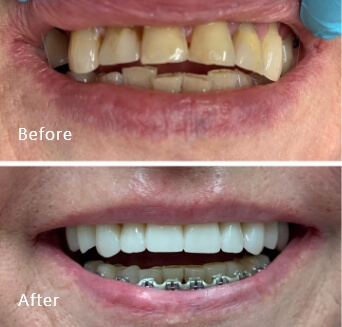
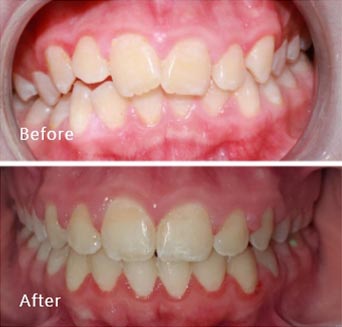
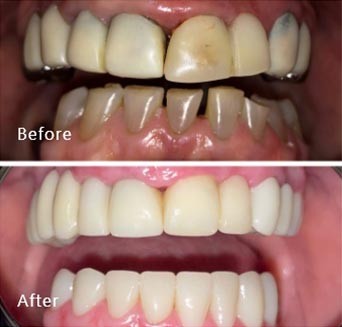
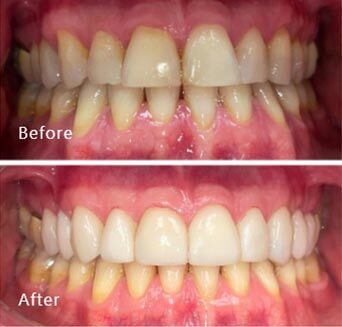
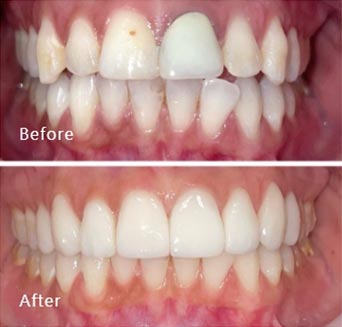
Real Patients. Real Results.
Frequently Asked Questions
The implant placement procedure is performed with anesthesia, and sedation options may be available depending on your treatment and needs. Some soreness, swelling, or discomfort can occur during the healing period. Your dentist will provide instructions for caring for the surgical area after treatment.
The complete dental implant process can take several months because the implant needs time to heal and integrate with the jawbone before the final restoration is placed. The timeline varies depending on your oral health and whether additional procedures are needed.
Possibly. Some patients with bone loss may still qualify for implants after procedures such as bone grafting or ridge augmentation. 3D imaging can help determine how much bone is available for implant placement.
Yes. Depending on your situation, multiple implants can support a bridge or another restoration designed to replace several missing teeth.
Dental implants can be used to support full-arch restorations for patients who have lost most or all of their teeth. Options may include implant-supported dentures or full-arch treatments such as All-on-4®, depending on your individual needs.
There is no universal number. The number of implants needed depends on how many teeth are being replaced, the location of the missing teeth, your available bone, your bite, and the type of restoration being planned.
In many cases, patients who currently wear dentures can be evaluated for implant-supported dentures or another implant-based restoration. Your dentist will need to evaluate your jawbone and oral health first.
Ready to Replace Your Missing Teeth? Call Royal Dental Care Today
You don’t have to keep avoiding photos, skipping foods you love, or feeling self-conscious about your smile. Dental implants offer a permanent, natural-looking way to restore your teeth and your confidence. Call our Schaumburg, IL, office at (847) 999-7620 to schedule your free dental implant consultation. We also welcome patients from Arlington Heights, Hoffman Estates, and Elk Grove Village.